St. Basil Community History in Troy
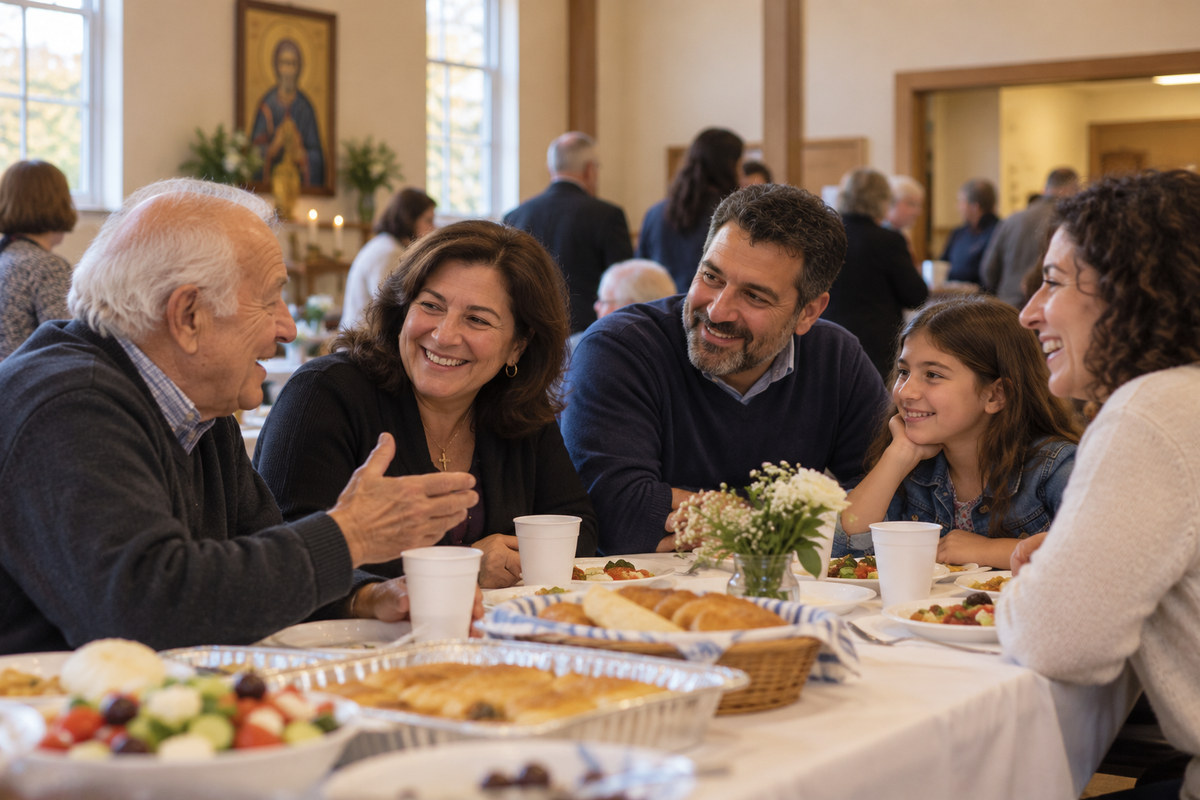
Illustrative parish community scene; not a documentary photograph of the St. Basil community.
St. Basil’s community life is rooted in Orthodox worship in Troy and extends through households across New York’s Capital District. Its history includes Sunday services, feast days, family sacraments, cultural groups, and the relationships that form around them. People now connected to the parish span generations and may have different ties to Greek language, migration, and religious practice.
A community made in a particular place
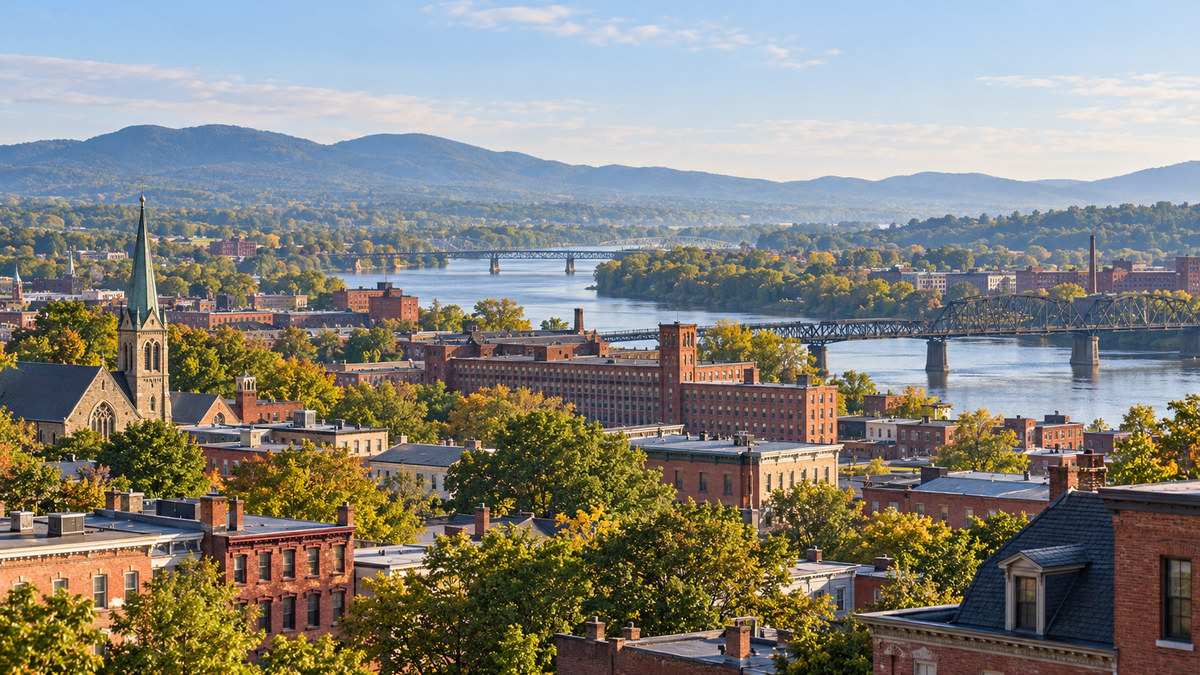
Troy’s wider history adds context. The Hudson River city grew as a manufacturing and commercial center, with textile mills, collar production, ironwork, and other industries. A local parish developed within a city already formed by movement, labor, and neighborhood institutions. The regional setting gives the community story texture without reducing Greek immigrants to a single occupation or assuming that every founding family worked in the same trade.
Orthodox worship remains the center of the parish’s public identity. Around it, family milestones and shared activities create different paths into community life; a person may be connected through regular services, a child’s religious education, a family sacrament, or an occasional return for a feast day.
St. Basil lists an altar boys’ group, choir, Philoptochos Society, Sunday School, Youth Dance Group, AHEPA, and the Pontos Society of the Capital Region among its ministries and organizations. Together, they cover worship, education, service, youth activities, and cultural life.
Community continuity is built through repeated life
Much of parish life follows a recurring calendar: Sunday worship, feast days, sacraments, memorials, and seasonal observances. Ministries and councils organize the practical work around those gatherings.
One household may attend worship, send a child to religious education, help with a meal, or take part in a festival. Someone who comes only for major holidays can still carry family memories tied to the church.
Shared life does not require identical levels of observance. Some people are present every week; others return for major holidays or a family sacrament. Some families speak Greek at home, while others know Greek through hymns, names, foods, and fragments remembered from grandparents. The community has room for these differences when its history describes actual participation instead of treating “Greek American” as a single lifestyle.
One local example of heritage work
St. Basil hosts the Pontos Society of the Capital Region, a local cultural organization connected to the parish. Its meetings and events give people with Pontian family ties a place to gather in Troy.
The Society focuses on one regional heritage within the Capital District. Members bring family traditions to its gatherings, where younger relatives can hear stories and meet others with Pontian roots.
The organization’s purpose is narrower than parish worship, which follows a shared Orthodox calendar. Some people take part in both, while others connect with St. Basil through worship, education, or family life.
From first generation to descendants
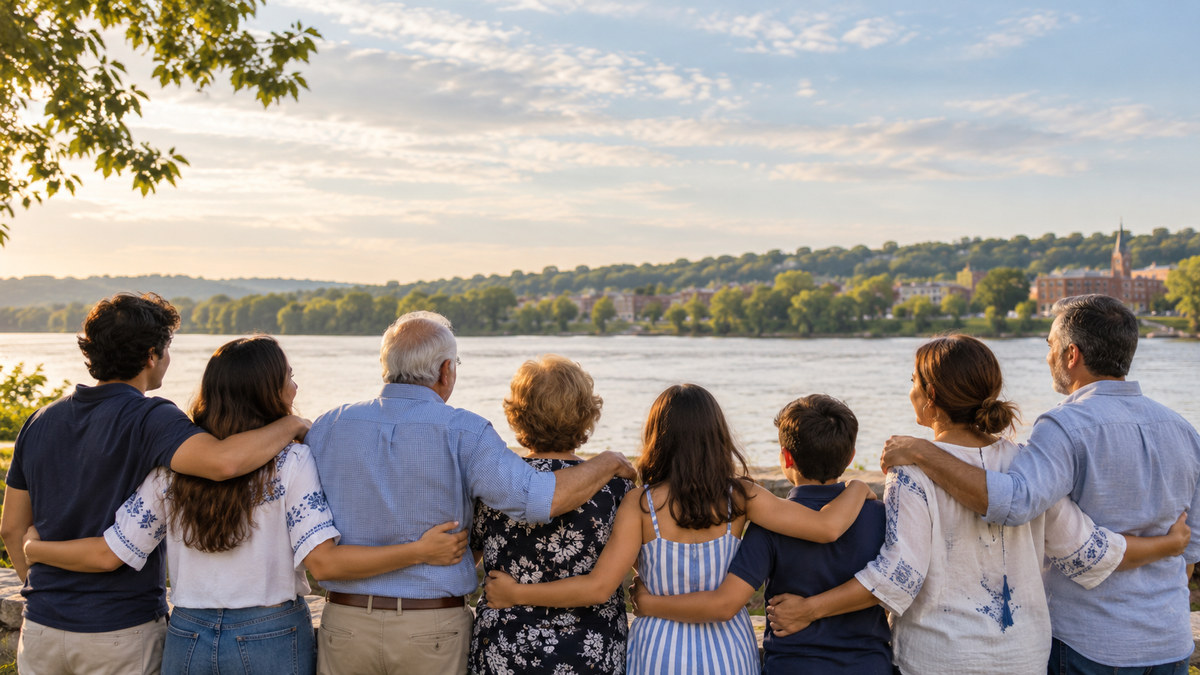
The founding families came to the United States as immigrants. Their children and grandchildren inherited the parish under different conditions. A first generation might have used Greek as a daily language and relied on the church for familiar worship. A later generation could be English-dominant, commute from another town, and experience Greek identity as a combination of ancestry, family practice, and community participation.
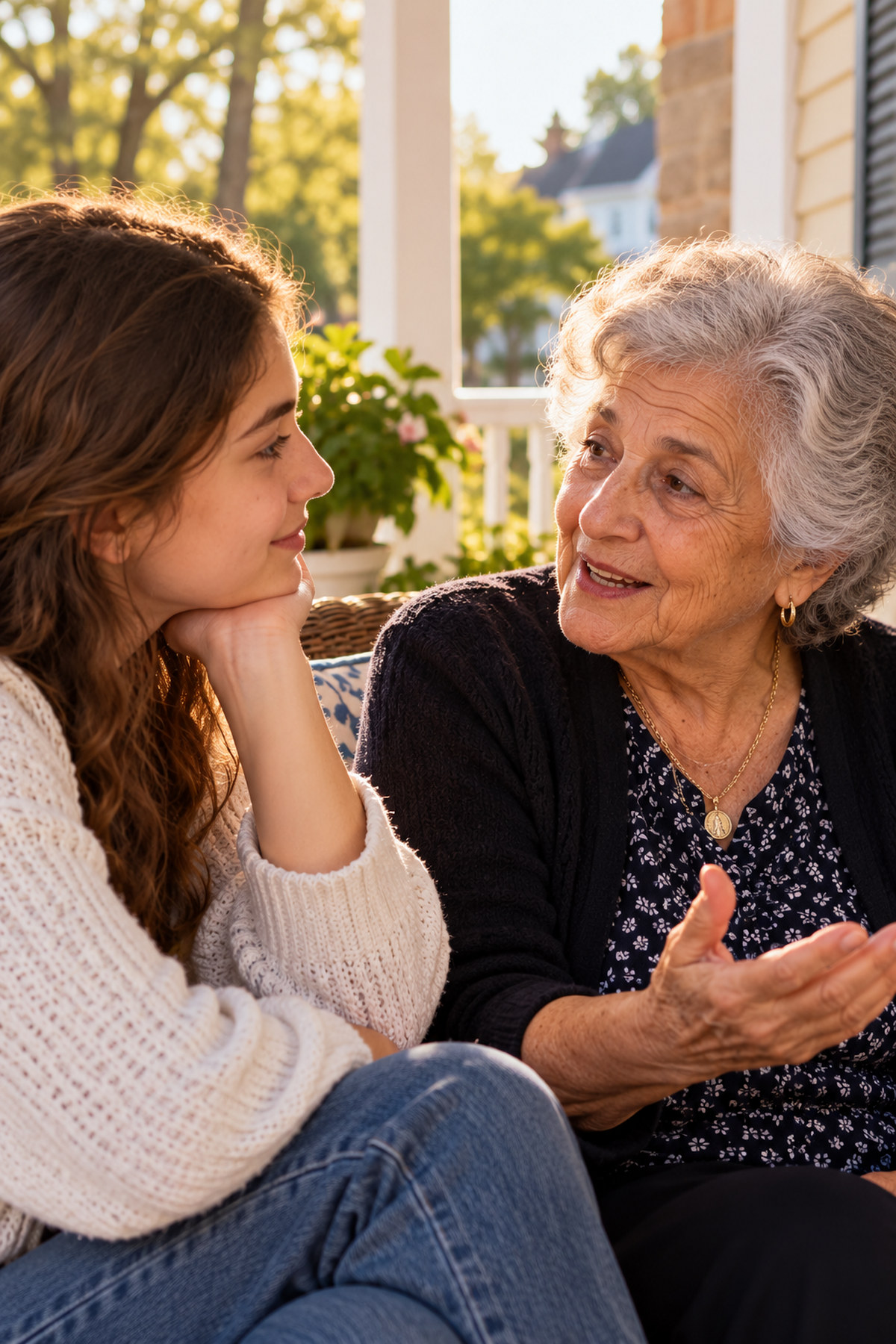
A child may grow up speaking English while learning a patron saint’s story, helping prepare a feast-day meal, or hearing a grandparent describe migration. The connection survives through practices that fit the younger generation’s language and schedule.
Some family details fade: a recipe may outlast its regional name, a surname may remain after its story is forgotten, and a Greek phrase may be repeated without its translation.
Community ties take different forms
| Part of community life | What it brings |
|---|---|
| Worship and feast days | A shared Orthodox calendar and regular gatherings in Troy |
| Family milestones | Baptisms, weddings, memorials, and relationships across generations |
| Regional heritage | Space for Pontian and other Greek backgrounds without treating them as interchangeable |
| Local belonging | Connections among families in Troy, Watervliet, and the wider Capital District |
These ties can overlap within one household, but they do not have to. Someone may know the parish through a grandparent’s funeral or a family wedding; another may take part through worship, education, or cultural activity throughout the year.
Belonging without a single template
St. Basil’s membership has a regional reach across the Capital District. Families connected to the parish do not necessarily share the same ancestry, language, or pattern of worship, and Greek roots do not define every household. Marriage, religious education, and a return to church after a long absence can also shape those connections.
People arrive at St. Basil through different family and religious histories. Some are recent immigrants or children of Greek immigrants; others have older ancestry, married into a Greek family, or reconnected with family heritage later in life. Orthodox worship shapes one relationship to the parish, but other Christians, secular descendants, and people returning to family customs may also have ties. Participation can be regular or limited to particular family events.
St. Basil’s religious identity and the variety of its members belong in the same community story. The Pontos Society represents one named heritage group; Greek American identity also includes other regional backgrounds, people connected by marriage, and descendants whose daily lives are mostly in English.
Family stories across generations
Parish life is remembered through people as well as dates. A child may remember a feast-day candle or a meal after service; an older relative may recall which family prepared the food or who taught a hymn. Those ordinary details give a community story a human scale.
Language and participation can shift across generations. Greek may remain in a hymn or greeting after English becomes the language of daily conversation, and a family may stay connected to a parish through major holidays rather than weekly services. The form changes while the relationship continues.
Greek Orthodox institutions are part of Troy’s civic history alongside its industries, schools, neighborhoods, and other religious communities. St. Basil’s story belongs to that city as well as to the families who sustain the parish.
Community life in a regional setting
Troy is the parish’s home, while its congregation reaches into nearby communities. That regional pattern changes how people take part: a family may travel for Sunday worship, a sacrament, or a major feast, while a younger relative who lives farther away may experience the parish through visits and family memory.
A family occasion may bring relatives from several towns into the same church or parish hall. The gathering puts people with different routines and travel distances in one place, even when they do not attend every week.
A family can keep a connection through a godparent, a memorial service, or the next generation’s religious education. Those ties may be active for years or return at particular moments, giving community life a rhythm that does not depend on every household attending each week.
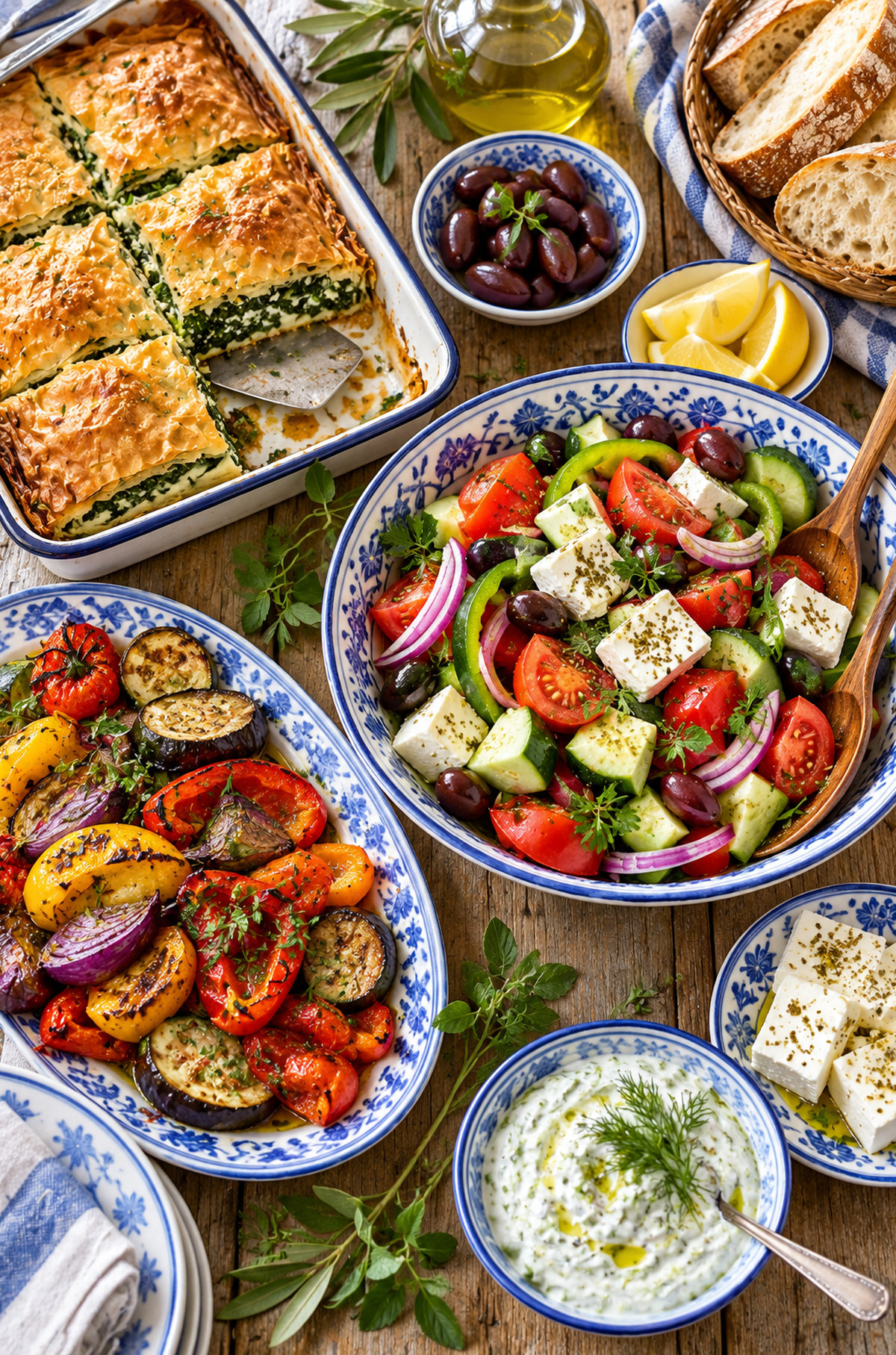
Shared work gives community relationships a practical side. Preparing a meal, arranging a feast-day gathering, or helping with a parish activity brings people together around tasks as well as worship. The work can include setup, serving, and cleanup as well as cooking. Children see older relatives contribute, while longtime members pass along the routines that keep an event running.
Different generations may experience those gatherings in different languages and at different levels of involvement. A grandparent might remember Greek as the language of daily conversation; a grandchild may know it through a hymn, a greeting, or a family recipe. Both connections can exist in the same household.
A wedding or memorial can bring occasional visitors into conversation with nearby relatives. They may hear family names, recollections, or details about changes at the parish that younger relatives did not witness. The account may come from someone who remembers the event directly or from a story passed down later.
Common Questions
How did St. Basil serve families beyond Troy's city limits?
Troy's manufacturing base and Hudson River crossings made it a natural regional hub. Immigrant households in Watervliet, Cohoes, and neighboring Capital District towns gathered at St. Basil for Sunday worship, sacraments, and ministries.
What is the role of the Pontos Society of the Capital Region?
Established on September 1, 1941, the Pontos Society of the Capital Region unites families with Pontian Greek roots from the Black Sea coast of Asia Minor, preserving regional traditions, stories, and gatherings in Troy.