How St. Basil Parish Began in Troy
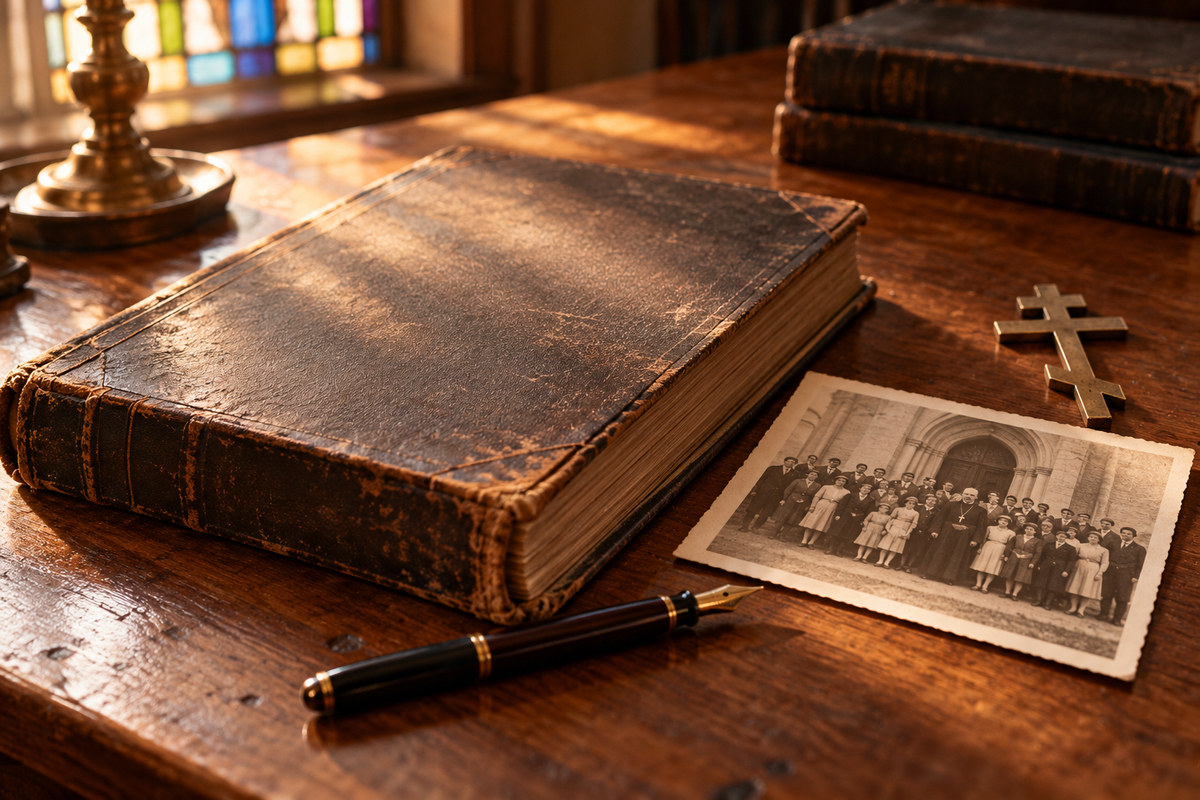
Illustrative archival-style scene; the objects shown are not original St. Basil records.
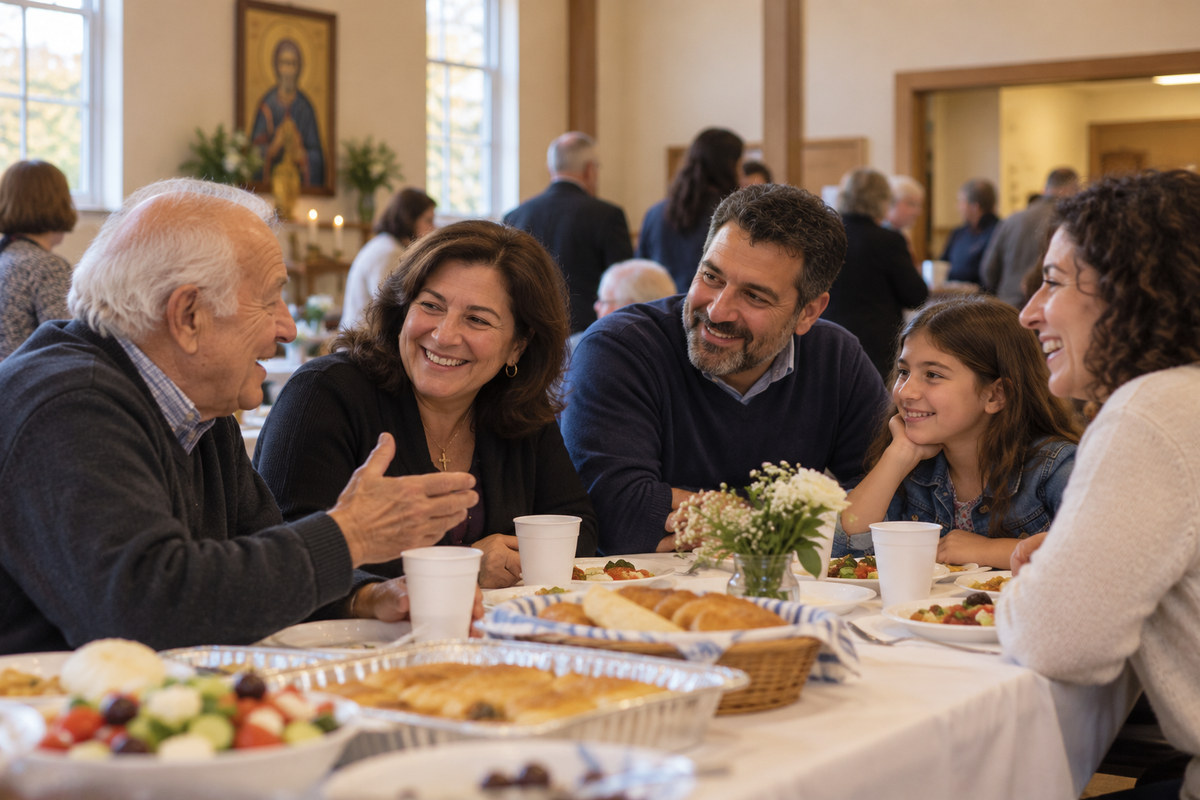
St. Basil Greek Orthodox Church began in Troy in 1931 as a parish for Greek immigrant families in Troy, Watervliet, and nearby communities. October 26, the parish’s founding date, falls on the feast of St. Demetrios. The congregation aimed to keep Orthodox worship and Greek community life accessible to families settling in the Capital District.
A parish formed around a need
The church grew from a concrete need: Greek immigrants in the area wanted to maintain traditions from home, with Orthodox faith at the center. A nearby parish made worship, sacraments, feast days, and a shared religious calendar part of local life for families establishing themselves in the Capital District.
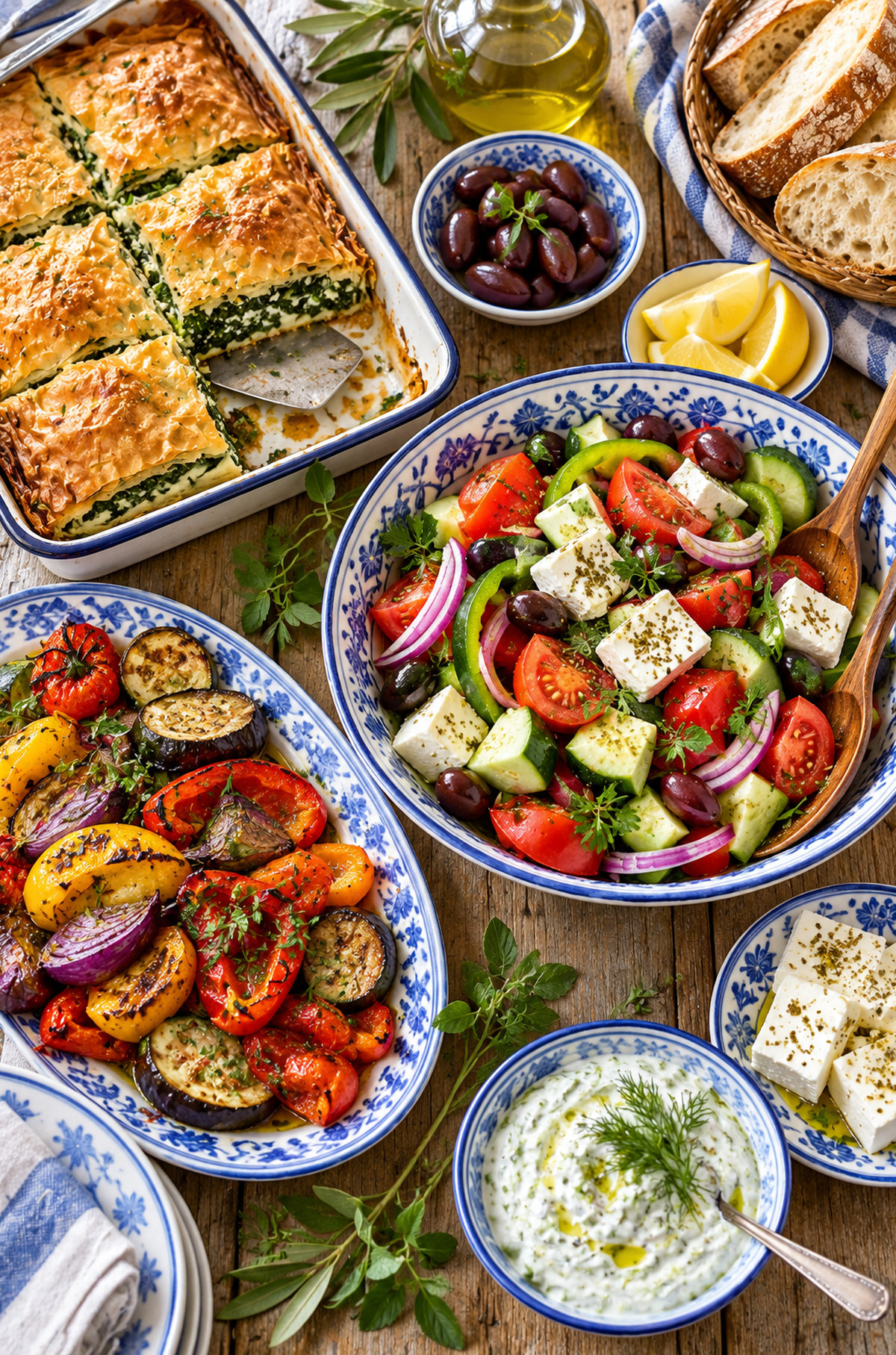
For immigrant families, the parish linked Sunday worship with pastoral care, sacramental life, feast days, and contact with neighbors who shared parts of their language or experience.
Troy was a substantial industrial city by the early twentieth century. Its manufacturing base included textiles, detachable collars, ironwork, stoves, and carriages. The Hudson connected workplaces and markets, while roads and river crossings linked neighborhoods and family networks across the region. A parish based in Troy could serve households whose daily lives extended beyond the city. The setting combined industrial work with regular movement between the riverfront, homes, and nearby towns.
Why 1931 matters
The date falls between early twentieth-century Greek migration and major changes in U.S. immigration policy after 1965. Families arriving in different waves established churches, schools, mutual-aid groups, and social organizations before later generations came of age. St. Basil’s founding belongs to that process of building a durable local institution during the interwar years.
In Greek Orthodox communities across North America, lay organizers often formed a society, secured a worship space, and then sought a priest. The Archdiocese was formally established in 1922, nine years before St. Basil’s founding. Local initiative continued within that wider church network, where parish life and national administration served different purposes.
The parish was founded in a year of reorganization for Greek Orthodox communities in North America. Archbishop Athenagoras arrived in New York in February 1931 and began efforts to reunite parishes under the Greek Orthodox Archdiocese. Troy’s church formed that October, placing a local initiative within a wider administrative change.
The parish formed within the Greek Orthodox Archdiocese in America. That affiliation connected local congregations and clergy across the country and placed St. Basil within a larger Orthodox community.
In Troy, the churchwide relationship took a local shape: families gathered for services, sacraments, and feast days, and clergy served the congregation in person. The parish connected the Archdiocese’s broader Orthodox life with the routines of a community in one city.
The Greek Orthodox parish in Troy is distinct from the Orthodox Church in America parish in Watervliet; each has its own history and ecclesiastical identity. Both communities belong to the wider Orthodox tradition, but the Troy parish’s Greek Orthodox roots and 1931 beginning are separate from the Watervliet church’s local story.
The choice of St. Vasilios
William Vellis chose St. Vasilios as the parish’s patronal name. The community remembers him as a major benefactor and its “godfather,” a recognition of the generosity that helped the new congregation establish itself.
St. Basil the Great was born in Caesarea of Cappadocia around 329. After studying in Constantinople and Athens, he returned to the region and was elected bishop of Caesarea around 370. His writings addressed creation and the Holy Trinity; the Hexaemeron treats the creation narrative, while On the Holy Spirit develops Trinitarian theology. Orthodox Christians honor him as a major teacher of the faith. He died on January 1, 379. In Caesarea, he used his wealth and church income to aid the poor and established shelters for people without homes.
For Greek immigrant families in Troy, the patronal name carried an inherited religious reference into a new country. It placed a local parish within the Greek Orthodox tradition they had brought with them and gave the community a recognizable identity in its new home.
The Orthodox Church commemorates St. Basil on January 1 and celebrates him again with St. Gregory the Theologian and St. John Chrysostom on January 30. Those dates place the parish’s patron within the annual cycle of saints and feasts followed in Orthodox worship.
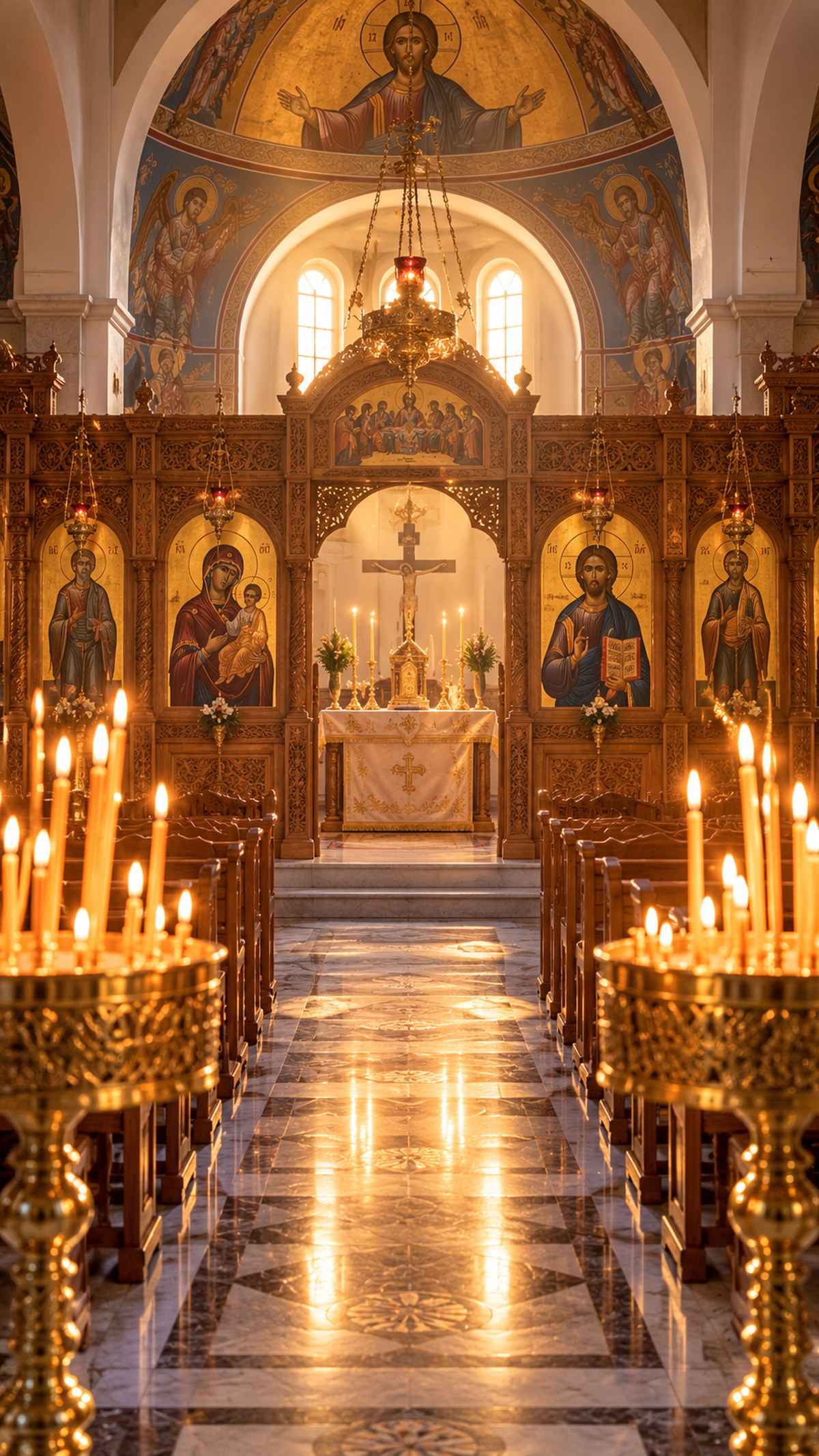
Orthodox church iconography can make a parish’s patron visible within the sanctuary. In a typical iconostasis, the patron saint appears among the icons beside the Theotokos, so the dedication is present in the worship space as well as in the church’s name.
The parish’s founding details
| Parish detail | Place in the founding story | Related distinction |
|---|---|---|
| Founded October 26, 1931 | The parish’s official beginning in Troy | The present church building has a separate history |
| Served Greek immigrants in Troy, Watervliet, and nearby areas | A congregation with ties across local boundaries | A local setting for worship and community life |
| St. Vasilios chosen by William Vellis | A benefactor helped shape the parish’s patronal identity | His generosity is acknowledged in the parish history |
| Families across the Capital District remain connected | The parish’s regional life across generations | Its community extends beyond its founding households |
St. Vasilios is the Greek form of Basil. The patron’s name connects the Troy congregation with the saint whose writings and feast days belong to the Orthodox calendar.
From immigrant congregation to regional parish
Families from across New York’s Capital District continue to call St. Basil home decades after its founding. The parish now includes people whose connection comes through parents, grandparents, marriage, or a later return to church life.
Continuity does not mean a culture stays untouched. Language use can shift between generations. Some households maintain Greek at home; others use English in most settings and learn Greek words through worship, food, or family stories. A parish’s religious life can outlast fluency because prayers, feast days, icons, music, and shared service carry meaning in different ways.
A Troy family could enter the Greek Orthodox calendar through a neighborhood parish, while relatives in Watervliet remained part of its community. Sunday worship and feast-day visits gave these connections a regular meeting place beyond the home.
Parish organization and building history are separate
October 26, 1931 marks the parish’s organization, not the construction date of the present church. A congregation and a building are related parts of church life, but they do not begin at the same moment. Families may form a parish and establish regular worship before a permanent property or later renovation becomes part of the story.
The founding anniversary belongs to the institution and the families who organized it. The church’s physical structure has its own stages of acquisition, repair, and use. Keeping those histories distinct prevents a parish date from being mistaken for a building date, while recognizing how the congregation and its home became connected over time. The parish’s name and worship calendar belong to community history; its materials and layout belong to the history of the structure.
Early parish life across town lines
Parish life connected Orthodox services with a familiar cycle of feasts, sacraments, and prayer. The church offered a common setting for families arriving from different towns and households.
The congregation linked a Troy church with families in nearby towns. The Troy location became a center for worship and community life across the region.
Troy and the parish’s regional setting for families
St. Basil’s setting in Troy places the parish within the city’s industrial and riverfront landscape. The Hudson, manufacturing districts, and routes to nearby towns shaped the city where the congregation took root. Residents moved between workplaces, homes, and neighboring communities, while the parish held worship in a fixed local setting.
Sunday services and feast days brought households from Troy, Watervliet, and nearby towns to the same church. The parish remained rooted in Troy, while family ties and daily travel extended across the Hudson and through the Capital District. Families met at the parish for worship and returned to different neighborhoods.
Common Questions
Why was St. Basil founded on October 26, 1931?
October 26 is the Feast of St. Demetrios, a revered day in the Orthodox liturgical calendar. Greek immigrant families in Troy, Watervliet, and nearby towns chose this day to mark the formal establishment of their spiritual home in the Capital District.
Who chose the patronal name of St. Vasilios?
Benefactor William Vellis selected the name St. Vasilios in honor of the 4th-century church father St. Basil the Great. The founding community recognized him as the parish's godfather for his generosity.
What role did the Greek Orthodox Archdiocese play in 1931?
Archbishop Athenagoras arrived in New York in February 1931 to organize and unite Greek Orthodox parishes across North America. Troy's church formed that October within this newly reorganized ecclesiastical network.